How to Identify the Right Type of Dental Implant for You
Choosing a dental implant asks you to balance scientific detail with personal priorities, and it can feel like both a medical choice and a lifestyle decision at once. There are many implant styles and prosthetic routes, each matched to certain bone conditions, chewing needs and cosmetic aims, and learning the rules of the road helps reduce surprises later on.
A good dental team will show scans, outline healing steps and talk through material choices so you leave the consultation with a clear sense of timing and trade offs. With a bit of knowledge, you can make an informed decision that fits how you eat, speak and smile for years to come.
Know The Main Implant Types
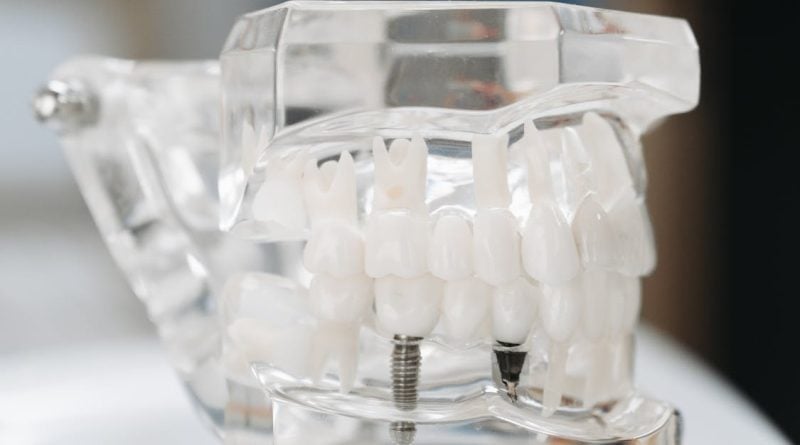
Root form implants anchor directly in the jawbone with a threaded post that mimics a natural tooth root and they are the most common choice for replacing single teeth because they offer predictable bone support and prosthetic flexibility.
Subperiosteal units sit on top of the bone just under the gum when bone height is low and grafting would add extra steps, and they provide an alternative route for patients who cannot or prefer not to undergo major bone augmentation.
Zygomatic implants use the cheekbone for anchorage in severe upper jaw loss and represent a different surgical strategy that solves difficult cases without multiple grafts, while mini implants are thinner posts often used for narrow spaces, transitional supports or denture retention where a less invasive approach is useful.
Full arch plans such as All On Four place four or more posts to support a fixed bridge and reduce the number of implants required, and ceramic posts present a metal free option for patients who want a lighter colored substrate under thin gums.
When it comes to reliability and innovation in dental restoration, choosing leading dental implants ensures you’re opting for top-tier solutions with the highest success rates and durability.
Assess Your Bone Health
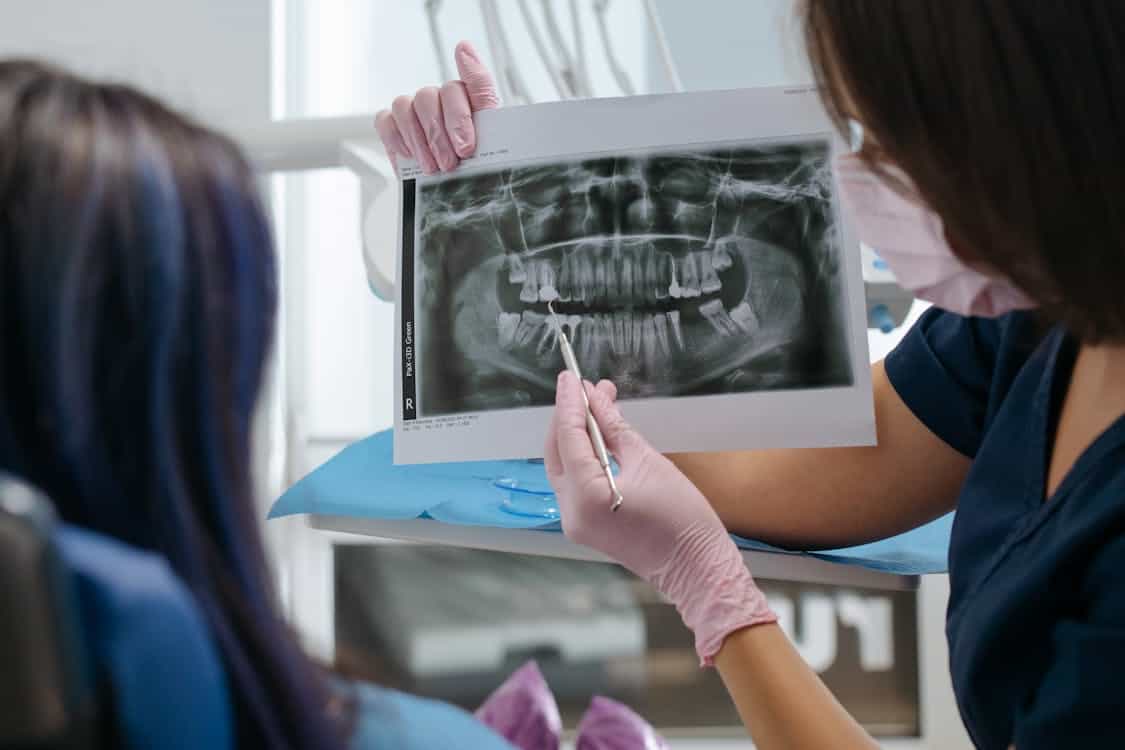
Bone volume and density set the baseline for which route will be smoothest since adequate height and width allow a root form implant to gain immediate stability and let the healing process proceed with fewer interventions. A three dimensional cone beam CT scan gives precise measurements and shows the shape of the ridge, the sinus location and any hidden anatomy that could affect implant positioning and angulation.
When bone is low, grafting techniques and sinus lifts rebuild volume but they extend the timeline, require extra healing and mean additional appointments before the final restoration can be placed. If a patient prefers to avoid grafting, alternative anchors such as zygomatic posts or slimmer mini implants can offer a shorter route that still addresses function and retention.
Think About Tooth Location And Function
Where the implant will sit in the mouth guides choices about diameter, length and material since the front teeth call for refined contours and superior aesthetics, and the back teeth demand robust mechanics to withstand heavy chewing. Wide diameter implants and stronger metals handle high occlusal loads in the molar region and spread force into the bone, which helps protect both the restoration and the supporting structure over time.
Narrower posts fit between tight roots or thin ridges in the anterior where space is limited, though the final look will also rely on gum thickness and how the crown emerges from the soft tissue. A well matched implant respects your bite pattern, the way opposing teeth contact during chewing and whether you show that tooth when you smile or speak.
Health And Lifestyle Factors
Overall health plays a major role in healing because conditions that affect bone repair or immune response change the risk profile and the expected recovery sequence after surgery. Smoking lowers blood flow to oral tissues and raises complication rates, and uncontrolled blood sugar levels slow healing and increase infection risk, so these factors will influence both timing and implant selection.
Habitual teeth grinding adds force to any restoration and often nudges the team toward stronger materials, additional splinting or a tailored night guard to protect the investment. Age by itself rarely rules someone out but medication use, oral hygiene practices and day to day activity shape which approach offers the best balance of durability and convenience.
Explore Materials And Aesthetics
Titanium implants have decades of clinical data that show consistent bone bonding and mechanical durability, and they work well in most restorative schemes where strength is a priority. Ceramic implants such as zirconia bring a white colored body that can be attractive where gum tissue is thin and metal could show through, and they offer a metal free path for patients with specific cosmetic goals.
The abutment, which links implant to crown, comes in off the shelf and custom shapes with straight or angled forms to correct tilt, and that choice affects how the crown sits and how easy it will be to clean around the margin. Color matching, translucency of the final crown and the health and height of the gum all factor into the perceived naturalness of the finished tooth so plan the prosthetic phase well ahead.
Understand The Surgical Path
Surgical strategies include a delayed two stage process where the post is buried and healing finishes before the final crown is attached, which can reduce loading during the early bone integration period. A single stage method leaves a post exposed so that impressions and provisional restorations can be handled sooner, and that approach shortens the visible timeline for patients who want an earlier restoration.
Immediate loading places a temporary crown on the implant the same day in carefully selected cases that show strong primary stability at placement, and that route can fast forward the functional and social benefits when the mechanical conditions are right. The surgeon’s technique, use of surgical guides and the plan for any grafting or sinus work all shape risk, comfort and the likely duration of follow up care.
Prosthetic Options And Maintenance
A single crown on an implant functions much like a natural tooth and is often the simplest restorative scenario when adjacent teeth are intact and bone support is good. Bridges and implant supported dentures distribute chewing force across multiple posts and can reduce the total number of implants required to restore a full arch, which affects both cost and long term maintenance.
Screw retained restorations make access for repairs straightforward while cement retained crowns can offer subtle aesthetic advantages when tiny offsets are needed to mask screw holes, and each approach has trade offs that should be discussed before the work begins. Daily home care, regular professional cleanings and periodic x ray checks protect bone around the post and extend the effective life of the prosthetic work.
Questions To Ask Your Dentist
Ask about the clinical experience with your chosen technique and how many similar cases the team has completed recently so you get a feel for their practical skill set and outcomes. Request to see before and after images from patients with similar anatomy so you can form a realistic expectation about look, function and the typical timeline for healing and adjustments.
Clarify the complete sequence for treatment, including the likely need for grafts, the expected healing intervals and what the alternative plans would be if the surgical situation proves different than the scans suggested. Discuss fees, follow up visits and warranty or maintenance programs so you have a practical picture of the commitment ahead and avoid costly surprises later.