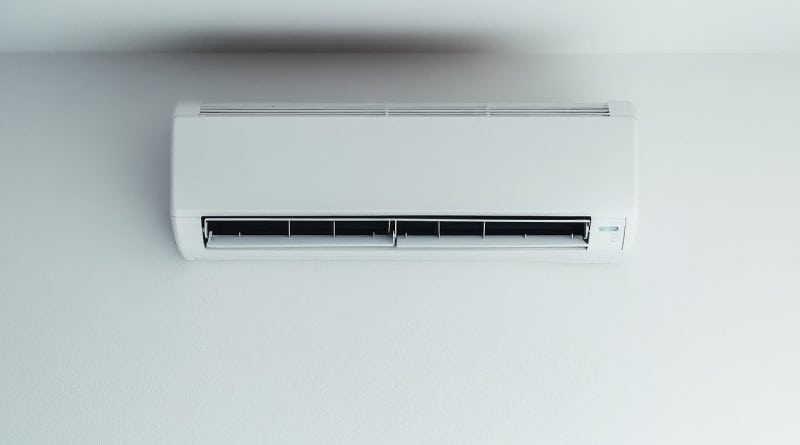
5 Air Conditioner Maintenance Tips for Better Efficiency
Keeping an air conditioner running well makes summer days easier and energy bills smaller, in plain and practical ways. Small habits carried out at the right time prevent many common failures and keep performance high for years.
The following tips focus on simple tasks that pay dividends in comfort and operating cost without asking for hours of work or special tools.
1. Clean Or Replace Air Filters
Clogged filters block airflow, which causes the compressor and fan to work harder and consume extra electricity. A clean filter lets air move freely, improves cooling speed, and cuts down on wear that shortens component life.
Homes with pets or heavy dust will find filters foul up faster, so check the unit every month during heavy use and swap or clean filters when they look dirty. A stitch in time saves nine, and in this case a quick filter change can prevent a costly repair later.
Use the right filter size and type that fits snugly in the housing, or the system will pull unfiltered air around the edges and defeat the effort. Foam or washable filters take a rinse and dry, while pleated disposable models should be replaced at intervals shown by the manufacturer.
Make a short habit of marking a date on a calendar or set a recurring reminder to inspect filters, which keeps the job from falling through the cracks. Little steps like these add up to steady savings and fewer sweaty surprises.
2. Keep Coils Clean
The evaporator and condenser coils exchange heat with the air, and they work best when their surfaces are clean and open to airflow. Dirt and grime act like an insulating blanket, reducing heat transfer so the machine must run longer to hit the thermostat setting.
Gently brush or use a soft vacuum attachment to clear loose dust, and spray a coil cleaner that is safe for your model to lift stubborn buildup without harming fins. When coils are clean, cooling is faster and energy use drops, which pays dividends on monthly bills.
The outdoor condenser needs clear space around it so air moved by the fan can flow without obstruction, and plants or debris within a few feet should be cut back. Bent fins can be straightened with a fin comb to keep the passages open, and light pressure washing on the outside unit can remove mud and pollen that settle over time.
Pay attention after stormy weather or pollen season, as the outdoor coil will show the effects quickly and performance will sag otherwise. A little effort here keeps the system running like a top.
3. Check Thermostat Settings And Calibration
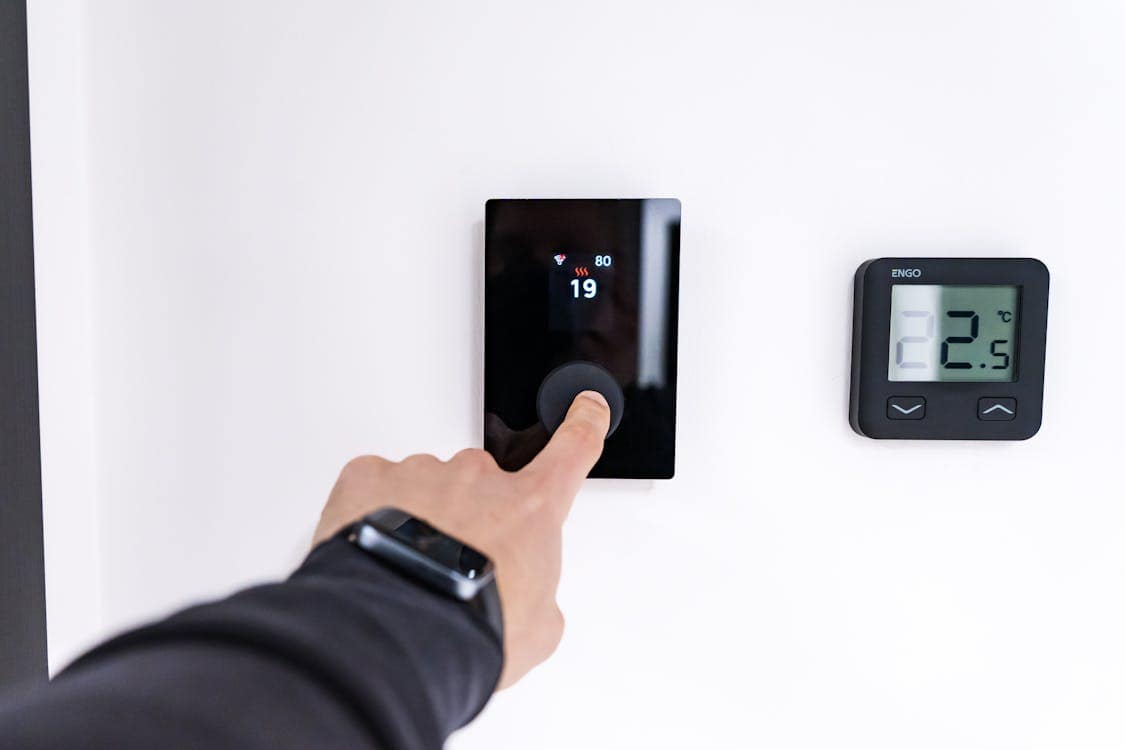
A mismatched thermostat reading causes the system to run at the wrong times and wastes energy while producing uneven comfort. Use a separate room thermometer to compare readings with the unit and adjust calibration if the difference is noticeable and consistent.
Upgrade to a programmable model when you can, so the system rests during hours when the space is empty and returns to comfort on a predictable schedule. Smart scheduling is not magic, but it can be the difference between paying for cooling you need and cooling you do not.
Place the thermostat away from direct sunlight, vents, or heat producing appliances, since local warmth will trick the device into cutting cooling short. If the control is old and responds sluggishly, replace it with a modern unit that reads more accurately and offers scheduling or learning features.
Even modest changes to how thermostats are used can lower runtime without sacrificing comfort, and the investment often recovers itself in a handful of months. Think of the thermostat as the brain of the setup, and treat it with a little care.
4. Maintain Proper Refrigerant Levels
Correct refrigerant charge allows the system to transfer heat efficiently, and both overcharge and undercharge create problems that reduce performance. Low levels often point to a leak that needs ac repair, which a trained technician can find and fix before adding refrigerant back to the correct specification.
The unit will run longer and cycle more frequently when the charge is off, dragging down efficiency and shortening component life. A leak left unchecked is like a slow drip from a wallet, draining savings over time.
Refrigerant handling requires certified service personnel because of safety and environmental rules, so schedule professional checks if cooling is weak or the compressor seems to strain. During a maintenance visit, request that pressures be checked and that the system be charged to factory values when needed, which restores proper cooling capacity.
Keeping detailed notes on service visits and readings helps spot trends that suggest early intervention, avoiding an emergency call on a hot afternoon. A stitch in time here too prevents a breakdown when you can least afford it.
5. Schedule Regular Professional Tune Ups
A trained technician inspects electrical connections, measures airflow and pressures, and can spot worn belts or failing capacitors before they give out. Annual or twice yearly tune ups catch small faults that would otherwise become big problems when the system is working its hardest.
Think of professional visits like a health check for the machine; they identify issues and offer fixes that restore performance while extending equipment life. Scheduling service at the start or end of a season keeps the unit ready for heavy demand without last minute scrambling.
When a technician arrives, ask for a clear list of findings and any recommended fixes with estimated costs and expected impact on efficiency. Request that moving parts be lubricated and that drains be inspected to prevent clogs which lead to water damage in the cabinet or around ductwork.
Keep past service records handy so trends such as rising amperage draw or repeated refrigerant additions become obvious and can be treated proactively. A little planning here makes it less likely that the system will leave you high and dry on a hot day.