

How to Improve Pipeline Life With Clad Pipe Systems
Extending the service life of a pipeline brings clear gains for owners and operators in lower operating cost and less unplanned downtime. Clad pipe systems pair a corrosion resistant alloy layer with a structural base metal so the line resists attack while keeping strength and toughness.
Advantages Of Clad Pipe Systems
Clad pipe systems combine the surface properties of a corrosion resistant alloy with the bulk mechanical strength of a more economical substrate, which cuts initial material cost without sacrificing life span. This pairing reduces the rate at which metal is removed by chemical or electrochemical attack, lowering the chance of pinhole leaks and reducing replacement frequency.
Operators frequently see lower total cost over decades when cladding is used in aggressive fluid service or where sulphides and chlorides attack plain carbon steel. Choosing a properly engineered clad pipe can dramatically reduce downtime and maintenance costs in chemically aggressive or high-pressure service.
How Cladding Controls Corrosion
Cladding works as a barrier that limits direct exposure of the substrate to corrosive agents, and the right alloy choice will resist chemical attack, pitting and crevice corrosion that otherwise erode pipe walls. Electrochemical behavior between the cladding and base metal needs care because mismatched potentials can set up galvanic currents that speed localized damage, so pairing matters.
Thickness of the cladding and quality of the metallurgical bond influence how defects propagate and whether the assembly tolerates abrasion or erosive flow. In practice attention to both alloy selection and manufacturing quality gives a much longer useful life than a single metal solution.
Selecting Base And Cladding Materials
Pick a cladding alloy with proven resistance to the specific fluid environment, keeping in mind contaminants, temperature and oxygen content that change corrosion mode and rate. The substrate should provide yield strength and fracture resistance while remaining cost effective and weldable, with common choices being carbon steel or low alloy steels under stainless or nickel cladding.
Pay attention to coefficient of thermal expansion, thermal conductivity and electrochemical potential so that the two metals behave well under thermal cycles and steady load. A well matched pair reduces risk at transitions and helps limit fatigue and bond failure as service time grows.
Fabrication And Welding Practices
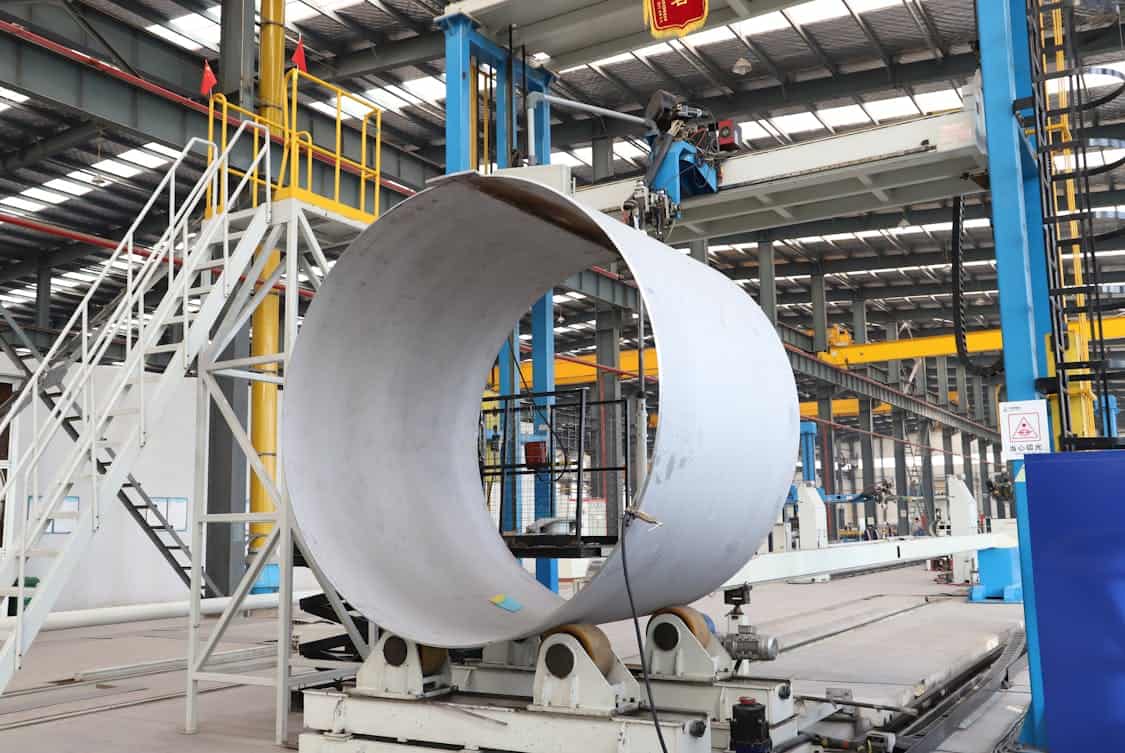
Quality of the bond between cladding and substrate is as important as the alloy choice, and controlled fabrication processes limit dilution and defects that later become corrosion start points. Welding procedures must address heat input, filler selection and cleaning to keep the cladding composition within tolerance while producing full penetration in joints that carry pressure and stress.
Post weld treatments and grinding practices that preserve cladding thickness at the weld area reduce the chance of localized thinning and subsequent rapid attack. Skilled craft and repeatable procedure produce predictable joints that give years of steady service rather than early surprises.
Inspection And Non Destructive Testing
Regular inspection catches early signs of wear or flaws that, when fixed promptly, prevent small issues from growing into bigger failures that require costly shutdown. Use a mix of methods such as ultrasonic testing to measure wall thickness, radiography to reveal internal discontinuities and surface techniques to find cracks or lack of fusion in welds.
Establish acceptance criteria specific to clad constructions because a thin cladding layer over a thick substrate requires different judgment than a single metal pipe. A planned inspection program ties measurement to maintenance tasks so operators can address weak spots before leaks develop.
Surface Protection And Internal Linings
External protection for clad pipes helps limit corrosion under insulation and protects the external face from mechanical damage during handling and service, while internal linings can shield against erosive slurries or chemical aggressors.
Select coating systems that bond well to the cladding alloy and that tolerate local temperature and cathodic protection if that method is used, because compatibility matters when two protection systems work together.
Internal coatings or cement mortar linings reduce direct metal exposure and can smooth flow to cut erosion related thinning at bends and tees. Routine checks of coatings and linings spot failures early and give an opportunity to touch up small areas before large scale work becomes necessary.
Operation And Maintenance Strategies
Operational practices influence how fast corrosion or wear shows up, so controlling flow velocity, suspended solids and transient events goes a long way toward long pipe life. Pigging to remove deposits, chemical dosing to control pH or oxygen and leak detection systems that find small seepage early keep pipes healthy between planned outages.
Train field crews to watch for tell tale signs such as external staining, unexpected pressure loss or changes in sound that hint at internal damage, and make repair plans that restore cladding continuity rather than simply patching the substrate. A bit of vigilance now reduces the need for big repairs later and keeps the asset working with fewer surprises.
Design For Stress And Thermal Cycling
Design that accounts for thermal expansion, support spacing and cyclic loads prevents fatigue that can crack a cladding layer or break welds at vulnerable points, which in turn extends service life. Provide transition pieces and graded weld preparations where cladding stops and starts, because abrupt changes concentrate stress and can expose the substrate to aggressive media.
Consider flexible anchors and proper insulation detail to reduce corrosion under insulation and to let the system move without harming the cladding bond. Thoughtful stress management at the design stage makes the whole assembly more tolerant of real world operation and helps avoid repeat repairs.


