5 Simple Ways to Research and Compare Home Builder Options
Finding the right home builder isn’t just about picking a name from a list. It’s a process that requires thoughtful research and comparison to ensure your future home matches your vision.
Here are five straightforward methods to help you make informed decisions.
1. Online Reviews and Ratings
The internet is a goldmine of information, especially when it comes to home builders. Websites like Yelp, Angie’s List, and Google Reviews allow homeowners to share their experiences.
By sifting through these reviews, you can get a sense of a builder’s reputation. Look for common themes in the feedback—if multiple reviews mention delays or quality issues, that’s worth noting.
Also, pay attention to the ratings. A builder with a high rating across various platforms is likely a safer bet. But remember, one or two negative reviews amidst a sea of positive ones may not be a dealbreaker. It’s the overall trend that matters.
When reading reviews, look for specifics. Comments about craftsmanship, customer service, and adherence to timelines provide deeper insights.
If possible, reach out to those who left reviews to ask follow-up questions. This direct engagement can help clarify any concerns you might have.
Lastly, keep an eye on how builders respond to reviews—both positive and negative. A builder who takes the time to address complaints shows commitment to customer satisfaction. This can be a promising sign of their willingness to stand behind their work.
2. Visit Completed Projects
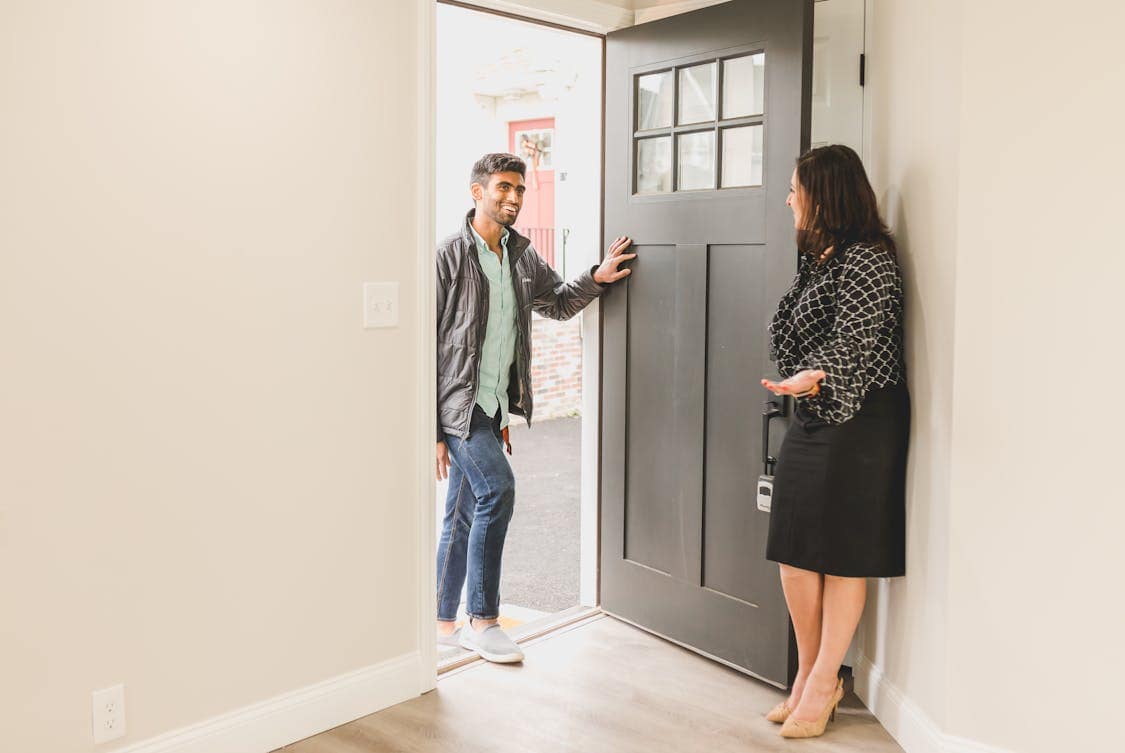
Nothing beats seeing the builder’s work in person. If you can, visit some of their completed homes. This gives you a tangible sense of their craftsmanship and attention to detail. During your visit, take note of the finishes, layout, and overall vibe of the home.
Ask the homeowners about their experiences. Are they happy with the quality? Did the builder meet their expectations? These conversations can offer invaluable perspectives that online reviews may not cover.
When touring homes, consider attending open houses or model home showings. These events provide a controlled environment to observe the builder’s work without the pressure of direct contact. You can walk through various layouts and finishes, giving you a better picture of what you want.
Many inspiring examples of modern layouts can also be seen in the designs showcased on Aveling Homes, which highlight both functionality and style.
Don’t hesitate to ask the builder’s representatives questions during these visits. Inquire about materials used, building processes, and timelines. This information can help you gauge the builder’s transparency and professionalism.
3. Gather Recommendations
Word of mouth remains one of the most reliable sources for finding a home builder. Talk to friends, family, and colleagues who have recently built homes. Their firsthand experiences can guide you toward reputable builders in your area.
You could also reach out to local real estate agents. They often have connections with builders and can recommend those who are well-regarded in the community. Their insights can be particularly helpful, as they have seen how different builders operate in real-world scenarios.
Another option is to check community groups on social media platforms. These groups often share recommendations and warnings about local builders. Engaging in conversations within these groups can provide you with a wealth of information from various perspectives.
Be sure to ask specific questions to those offering recommendations. What did they like or dislike about their builders? Their detailed experiences can help narrow down your options considerably.
4. Compare Pricing and Contracts
Once you’ve narrowed down your list of potential builders, it’s time to compare pricing. Request detailed quotes from each builder. A straightforward price comparison is essential, but also be cautious about hidden fees that could pop up later.
Review the contracts carefully. Look for clarity in terms of payment schedules, timelines, and what is included in the price. A transparent contract will help you avoid unpleasant surprises down the road.
Keep in mind that the cheapest option isn’t always the best. Quality often comes at a price, and a low bid may signal potential issues. Gauge the value you’re getting by comparing both price and the quality of materials and workmanship offered.
Don’t hesitate to ask builders to explain their pricing structures. Understanding what you’re paying for can help you feel more confident in your selection. This way, you can ensure you’re making a sound investment without sacrificing quality.
5. Schedule Interviews with Builders
Once you have a select few builders in mind, set up interviews. This face-to-face interaction is your chance to get a feel for their communication style and professionalism. Prepare a list of questions that cover your specific needs and preferences.
Pay attention to how builders respond to your questions. Are they open and transparent? Do they provide clear answers, or do they seem evasive? An honest builder will likely take the time to ensure you understand every aspect of the project.
Also, gauge their willingness to listen. A builder who genuinely cares about your vision will be interested in your ideas and preferences. This collaborative spirit can prove essential throughout the building process.
Lastly, trust your instincts during these meetings. If something doesn’t feel right, don’t hesitate to explore other options. Your home is a significant investment, and choosing the right builder is crucial to your satisfaction.
Taking the time to research and compare home builders can make a world of difference in your building journey. Each of these methods contributes to a well-rounded understanding of the options available, providing a clearer path to your dream home.