5 Common Air Conditioner Mistakes You Should Avoid
A well kept air conditioner keeps a home cool and bills in check, but common mistakes can undo those gains. Small lapses in care or a few poor choices often lead to higher energy use, reduced comfort, and repair headaches.
Below listed are five frequent errors people make with their AC units and explains what happens and how to act differently.
1. Neglecting Regular Filter And Coil Maintenance
Dirty filters and grimy coils are an easy oversight when life gets busy, yet they play a starring role in cooling performance. A clogged filter restricts air flow, forces the fan and compressor to work harder, and lets dust build on evaporator coils where it lowers heat transfer.
That extra strain shows up as higher electricity bills and, over time, a shorter service life for key components. Keep things simple: replace disposable filters on a regular cadence and have coils inspected and cleaned as part of routine servicing.
Failing to keep the air path clean also harms indoor air quality and can aggravate allergy symptoms for occupants. Tiny particles accumulate, then re-enter rooms or feed mold growth in moist spots of the system, which nobody wants.
If you want your system checked and tuned by professionals, consider getting in touch with local experts for aircond servicing who can ensure filters, coils, and components are performing at their best.
Poor air quality is often subtle at first, with slight odors or dusty surfaces that hint at a larger issue. A modest habit of swapping filters and checking coil fins pays off in fresher indoor air and smoother operation.
Professional checks are worth the investment for coil care and deeper maintenance tasks that go beyond basic filtering. Technicians can spot early signs of wear, test refrigerant pressures, and straighten bent fins to restore efficient heat exchange.
These repairs usually cost less than the energy wasted by a fouled system and reduce the odds of emergency calls on a hot afternoon. Treating maintenance as preventive maintenance keeps the unit running like clockwork.
2. Misusing Thermostat And Set Point Strategies
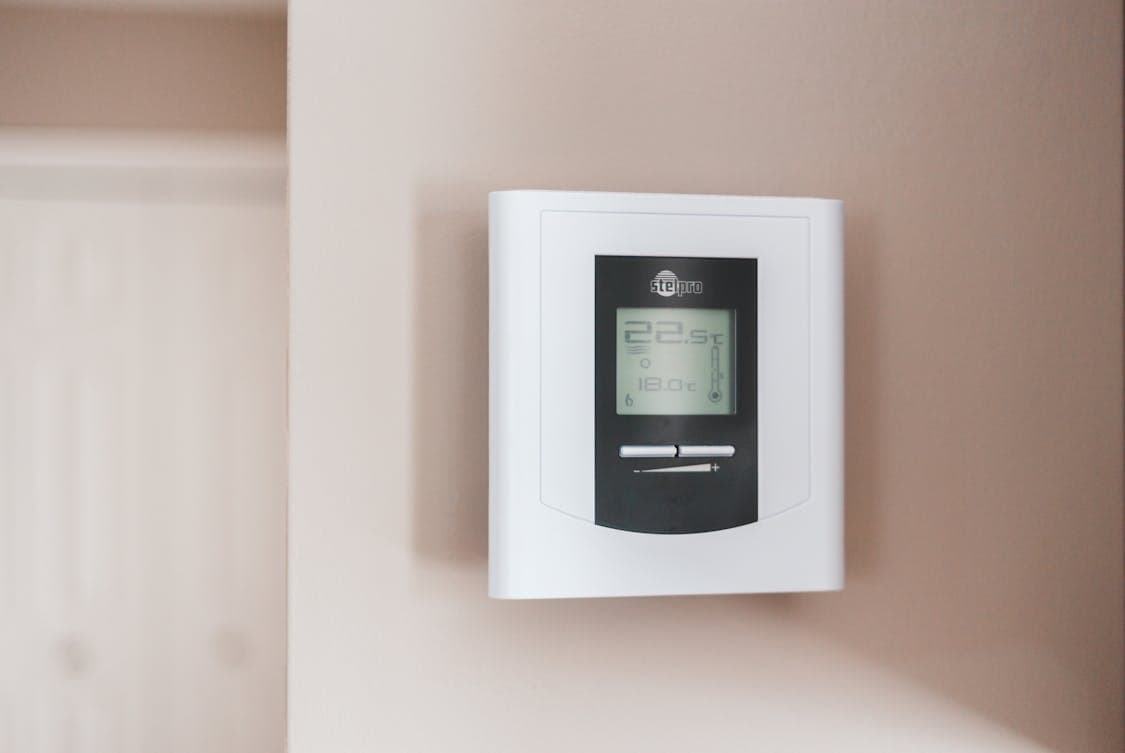
Poor thermostat habits often lead to needless energy use, such as setting the temperature very low to cool a room faster. That approach does not speed cooling appreciably, it simply prolongs run time and stresses the compressor with frequent cycles.
Rapid on-off cycling is a prime reason compressors fail prematurely, and fluctuating set points can leave humidity at uncomfortable levels. Instead, pick a steady set point and give the system time to bring conditions down gradually.
Overreliance on manual adjustments and ignoring programmed schedules reduces the gains offered by modern thermostats and smart controllers. A programmable or learning thermostat smooths out set point changes by adapting to daily rhythms, balancing comfort and efficiency.
Even modest tweaks in run schedules yield real savings when repeated over weeks and months. Learn the basic modes—cool, fan, hold—and use them to shape sensible daily patterns rather than reacting to every temperature spike.
Fans and mode settings can complement cooling and reduce compressor load when used cleverly during milder parts of the day. Running the fan alone circulates air and helps occupants feel cooler without constant compressor use, and cross ventilation can help when outdoor conditions permit.
Keep set points reasonable during peak heat and rely on shaded areas or ceiling fans to assist. These small habits keep energy bills from ballooning while keeping comfort levels intact.
3. Blocking Vents And Restricting Air Flow
Furniture, rugs, curtains, or packed storage in front of vents forces the system to push air into narrower paths, and that reduces efficiency fast. When return or supply vents are obstructed, the unit cannot maintain balanced pressure, and rooms take longer to reach target temperatures.
This kind of restriction also raises the chance of frozen evaporator coils in cooling mode because limited flow lowers coil temperature too far. Make a habit of keeping ceiling and floor registers clear so air flow runs unimpeded.
Closed or improperly adjusted registers create uneven cooling that tempts occupants to crank the thermostat down, which only compounds the problem. Some people shut vents in unused rooms to save energy, but that can create pressure issues and unbalanced duct flow affecting the whole system.
The result might be short cycling, erratic compressor performance, and higher operating costs spread across the house. Keep a balanced approach: block minimal vents and use zoning or smart dampers when a real, long-term solution is needed.
Leaky or undersized ducts are another stealthy cause of restricted air flow that is often overlooked until performance drops noticeably. Duct leaks dump cooled air into attics, crawlspaces, or wall cavities where it does no good, and flexible ducts can get kinked or crushed in tight joist spaces.
Have ducts inspected, sealed, and insulated where needed to keep conditioned air in the living space. Proper ductwork helps the system breathe freely and cuts waste.
4. Attempting Complex DIY Repairs Beyond Basic Tasks
DIY spirit is great for small chores like filter swaps or clearing a drain, but some repairs demand certified skills, tools, and safety precautions. Refrigerant handling, compressor swaps, and electrical diagnostics carry safety and regulatory implications that ordinary homeowners should not tackle without credentials.
A botched repair can void warranties, make a minor problem into an expensive one, or create hazards that put people at risk. Use DIY energy on simple maintenance and call a pro for anything that touches refrigerant, high-voltage wiring, or stored pressures.
Online videos and forums offer tempting step-by-step fixes, but appliances and installations vary widely, and paperwork such as warranty terms often disallow amateur interventions. Techs are trained to follow manufacturer specs and use gauges and meters that reveal hidden faults, like motor imbalance or improper charge levels.
A correct repair done once by a trained technician saves time and limits repeat breakdowns. Keep a list of trustworthy service providers for urgent calls so hasty attempts don’t make matters worse.
Basic preventive tasks are safe and useful to perform without a license, and they help reduce the chance of larger repairs in the first place. Emptying condensate pans, clearing drain lines, and keeping outdoor units free of debris are good examples of homeowner-friendly steps.
Pair those chores with an annual professional check so both the owner and the technician play parts in upkeep. That team approach keeps problems small and predictable rather than allowing them to snowball.
5. Choosing The Wrong Unit Size Or Poor Installation
An oversized or undersized unit creates comfort troubles that systems cannot hide behind good maintenance and smart controls. Too large a unit cools rooms rapidly but short cycles, which leaves humidity high and wears the compressor; too small a unit runs almost nonstop and still fails to reach set points.
Proper sizing relies on a load calculation that accounts for insulation, window exposure, occupancy, and local climate, not rule-of-thumb square foot estimates. Invest in a proper sizing study and resist the temptation to buy the biggest unit under the mistaken idea that more power equals better comfort.
Improper installation details such as poor refrigerant charge, wrong line set length, or uneven mounting also reduce longevity and raise repair bills. Installers who cut corners on duct sealing, piping insulation, or electrical connections create problems that show up as odd noises, low efficiency, or frequent trips to protect the compressor.
A careful installation that follows manufacturer instructions helps the system run as intended and protects the warranty. Ask installers about permits, references, and written checks they perform; those small assurances separate competent work from patchwork.
Upgrading older systems is a good time to check related items such as insulation levels, attic ventilation, and thermostat placement so the new equipment gets a fair shot at doing its job. A shaded condensing unit and proper air return placement help performance and reduce wear.
Think of the whole comfort envelope rather than the box alone; good installation treats system and house as partners. When the fit is right and the work is done well, the AC will reward you with steadier comfort and fewer surprise service calls.