How to Make Healthy Snacks That Kids Will Actually Love
Getting kids to eat well can feel like a daily puzzle, with tastes shifting fast and attention slipping away at the sight of another carrot stick. Nutritious bites that taste good and look fun cut down on the back-and-forth and make after-school or pre-game fuel a calmer moment.
Small swaps and clever combos turn common cravings into opportunities for protein, fiber, and fruit without turning snack time into a battleground. A few simple techniques and a touch of play bring variety, energy, and smiles to the table.
Start With Simple Swaps
Switch white bread for whole grain and trade sugary cereal for a low-sugar granola or toasted oats with a few dried berries, and you keep familiar textures while boosting fiber. Replace plain chips with baked pita triangles, air-popped popcorn, or lightly seasoned chickpeas to hit that crunchy craving with fewer empty carbs. Cut portion sizes down to kid-friendly plates or muffin tins so servings look abundant even when they are sensible.
If you’re searching for creative ways to make nutritious eating easier, check out these healthy snack recipes for kids that turn simple ingredients into fun, tasty bites. Little changes like these add up over time and build taste preferences without drama.
Make Snacks Fun And Colorful
Arrange fruit and cheese on toothpicks or make smiley faces on flatbreads to turn routine bites into something kids want to reach for first. Color grabs attention, so pair orange slices, purple grapes, and green cucumber coins on a single plate and let contrast do the work.
Presentation can be quick and still feel special; use cookie cutters, small bowls, or a tiny sprinkle of cinnamon to add flair. The more an item feels like a treat, the more likely it is to be finished.
Mix Proteins With Fiber
Pair hummus or nut butter with apple slices, whole-grain crackers, or celery sticks to create a combo that steadies blood sugar and keeps hunger away between meals. Hard-boiled eggs, turkey roll-ups, or Greek yogurt cups deliver protein while whole fruits and veggies provide fiber and a natural sweetness most kids enjoy.
When a snack balances slow-burning carbs with a protein hit, cranky energy dips get replaced by steady attention. Aim for combos that are quick to assemble yet varied enough to avoid boredom.
Sneak In Fruits And Veggies
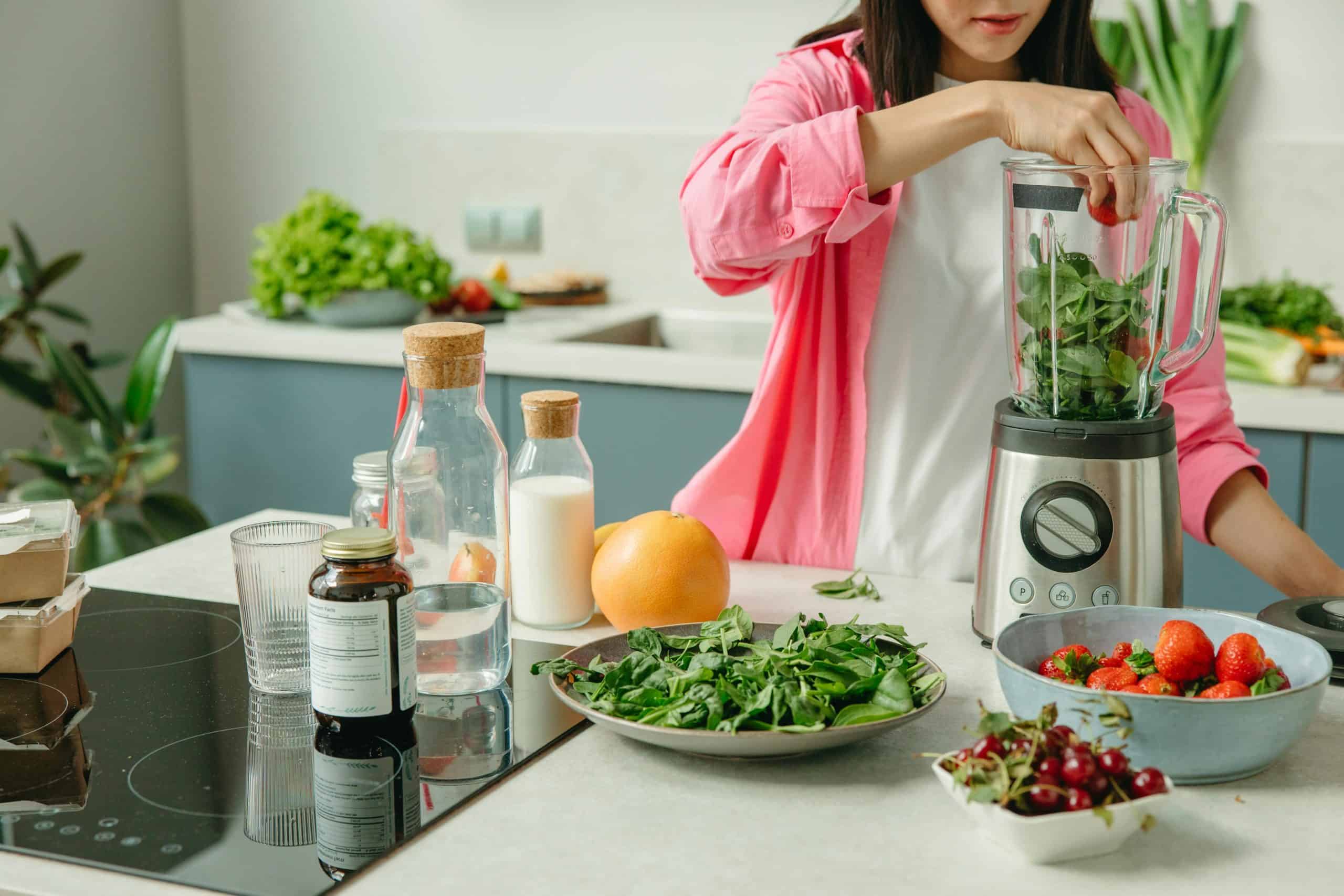
Grate carrots into muffins, blend spinach into smoothies, or mix shredded zucchini into pancakes so vegetables become part of familiar favorites without a fuss. Offer a fruit dip like yogurt mixed with a little honey and vanilla to make apple or pear slices feel decadent rather than medicinal.
Smoothies are portable and forgiving, and you can hide a handful of spinach or a small avocado with berries and yogurt for creaminess. Gradual exposure to subtle veggie flavors helps kids accept whole pieces over time.
Let Kids Help With Prep
Invite children to wash berries, stir batter, or press shapes from cheese and fruit, and they will be more likely to eat what they helped create. Give simple decisions—pick a dip, choose a topping, or select the shape—and their ownership translates into pride at snack time.
Tasks that are safe and age-appropriate build kitchen confidence and keep caregivers from doing all the work while teaching small skills. Plus, a job well done often tastes better than a ready-made option.
Use Dips And Small Sauces
A tiny container of tzatziki, yogurt-herb dip, or mashed avocado can turn plain vegetables into a favorite item and make chicken strips or whole-grain crackers more appealing. Dips add texture contrast, which many kids find satisfying, and pairing encourages nibbling that adds up to a good intake.
Keep portions modest and rotate flavors so dipping feels new without becoming messy or high in sugar. When sauces are simple and fresh, they lift basic ingredients into a snack that feels special.
Turn Leftovers Into Snack Stars
Leftover roasted vegetables become hummus toppers, small pieces of grilled chicken join a pita with sauce, and last night’s rice can be formed into mini patties with egg and herbs for a new bite. Repurposing food trims waste and trains kids to see meals as flexible rather than tied to a plate and time.
Quick transformations often need only a warm-up in a skillet or oven and a small garnish to become suddenly exciting. This habit stretches both creativity and the grocery budget.
Balance Sweet Cravings Smartly
When a child wants something sweet, offer fruit with a little protein—an orange wedge with cottage cheese, banana slices with almond butter, or berries folded into plain yogurt—to satisfy a sweet tooth without a sugar crash. Freeze slices of banana on skewers dipped in yogurt for a chilly treat that holds together and feels indulgent on a hot day.
Swap candy for single-serve dark chocolate with fruit for an occasional celebration snack that keeps added sugars modest. Gentle limits and tasty alternatives teach preference without turning treats into forbidden fruit.
Keep Portions Kid-Sized
Use small plates, muffin tins, or bento boxes to serve realistic portions that do not overwhelm and reduce pressure to clear a giant helping. Tiny containers trick the eye into seeing plenty, which helps picky eaters try more without fear of wasting food.
Offer seconds when the first round is clearly finished rather than piling a large portion at the start. This habit reduces scuffles and invites children to listen to their own hunger and fullness cues.
Plan Ahead For Busy Days
Prep snack bags or a fridge drawer with ready-to-go items like cut fruit, cheese cubes, boiled eggs, and hummus cups so hurried moments do not default to less healthy options. A short Sunday session can set up several days of quick, balanced choices that feel fresh when pulled out of the fridge or pantry.
Label small containers with names or stickers so kids can pick what they like without debate during a rush. Keeping choices visible and varied makes the healthy option the obvious one.